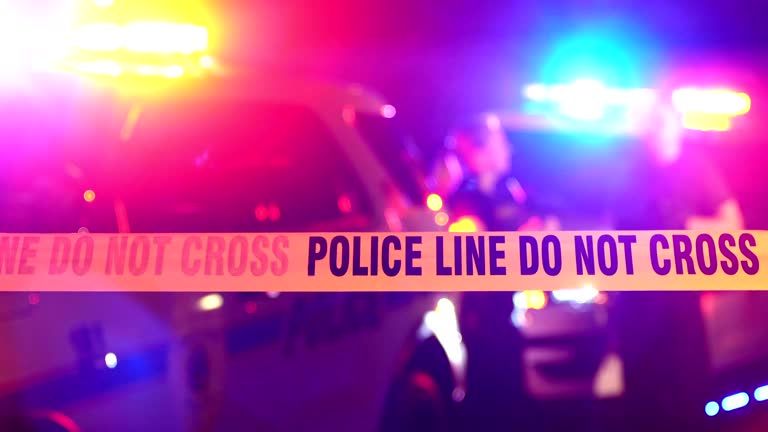
Reports of a shooting incident connected to Long Island University and the Long Island College of Medicine have raised serious concern among students, faculty, and the broader community. While details remain limited, the situation has prompted heightened awareness around campus safety and emergency response protocols, particularly in environments dedicated to education, research, and public service.
The mention of an active shooter scenario underscores the importance of preparedness in academic institutions, especially those involved in critical fields such as biotechnology and public health. These areas of study play a vital role in advancing scientific knowledge and improving community well-being, making the safety of students and professionals within them a top priority.
 Universities and medical colleges often conduct regular safety drills and maintain coordinated response plans with local law enforcement to address emergencies. In situations like this, swift communication, clear procedures, and community cooperation are essential in minimizing harm and ensuring the safety of all individuals on campus.
The intersection of education in biotechnology and public health also highlights the broader responsibility institutions carry—not only to advance innovation but also to protect the people driving that progress. Professionals and students in these fields are dedicated to improving lives, making their safety and security even more critical.
As investigations continue and more information becomes available, the focus remains on ensuring a safe environment for learning and research. Incidents like these serve as a reminder of the importance of vigilance, preparedness, and collective responsibility in maintaining secure academic spaces.
About the Author
